
Services
Our centre provides comprehensive, one-stop specialist obstetrics and gynaecology services. Led by an experienced medical team and equipped with advanced imaging and minimally invasive surgical facilities, we are dedicated to providing the most reassuring healthcare for women at every stage of life.
Hysteroscopy
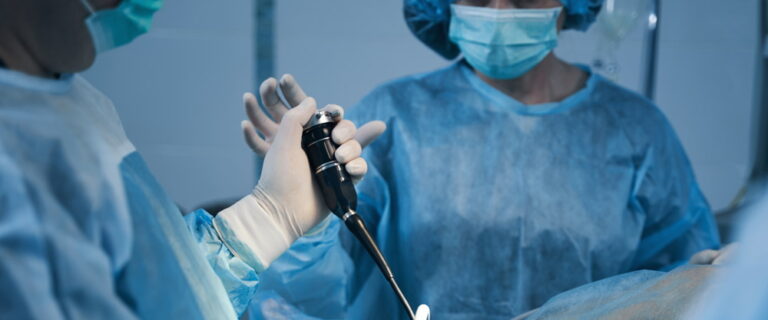
Hysteroscopy Indications and Treatments
Removal of Endometrial Polyps
Targeting endometrial polyps that cause abnormal intermenstrual bleeding, heavy menstrual bleeding, or hinder the implantation of a fertilised egg. Under direct hysteroscopic vision, the doctor can accurately target the base of the polyp for removal. This thoroughly resolves the issue of abnormal bleeding and avoids the potential missed lesions associated with traditional "blind" curettage.
Removal of Submucosal Fibroids
Submucosal fibroids are fibroids that protrude into the uterine cavity and are often the primary cause of severe heavy menstrual bleeding and anaemia. Through hysteroscopy (utilising specific resection instruments), the fibroid can be gradually shaved away and removed from within the uterine cavity. This eliminates the need for open surgery and avoids leaving scars on the uterine muscle layer.
Adhesiolysis of Intrauterine Adhesions
If intrauterine adhesions develop due to severe inflammation or multiple previous curettage procedures, it can lead to very light periods or even amenorrhoea (absence of menstruation), and cause infertility. Using a hysteroscope, the doctor can carefully separate the adhesive tissue with miniature scissors and apply an anti-adhesion hyaluronic acid gel, helping the patient restore a healthy and normal intrauterine environment.
Correction of Congenital Uterine Anomalies
Congenital structural abnormalities, such as a Uterine Septum discovered during an ultrasound scan, are a common cause of recurrent miscarriage. The doctor can perform a hysteroscopic septum resection to enlarge the space within the uterine cavity. This significantly improves the uterine environment and reduces the risk of future miscarriages.